
- Home
- Explore Insurance
- Explore More
- Office Package Policy
- Personal accident policies
- Pet Insurance cover
- Professional Indemnity and Liability including E&O Policy
- Pvt Car TP and CV TP In India
- Shop Insurance
- Standalone OD Policy
- Surety Bond Policy
- Travel Insurance in India
- Two Wheeler Insurance In India
- Wedding or event Insurance Policy
- Workman compensation policy
- About Us
- Contact Us

Pet Insurance cover
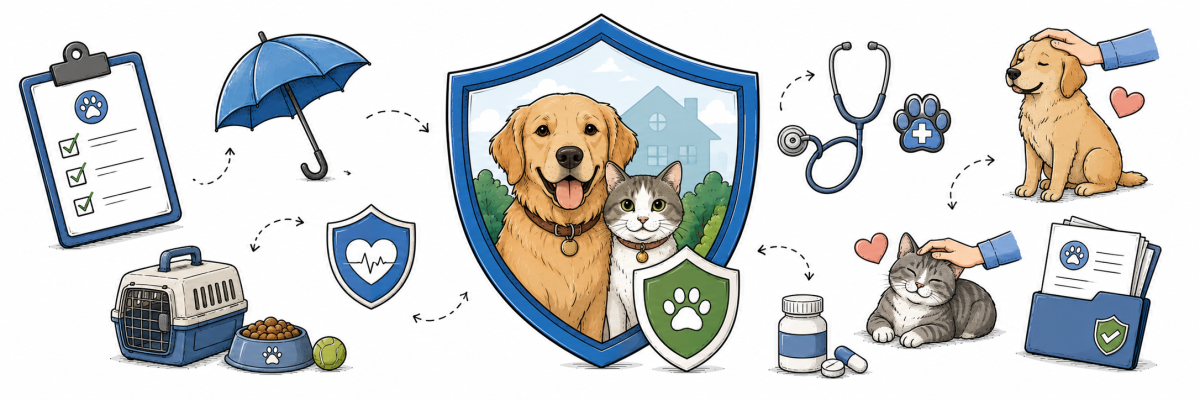
In 2026, Pet Insurance in India has evolved from a niche product to an essential financial tool for pet parents, driven by rising veterinary costs and the “humanization” of pets.
Core Coverage and Details
Most Indian pet insurance policies are specifically designed for dogs and cats and operate on a reimbursement basis, though some offer cashless facilities at network clinics.
Protect Every Paw
Pet insurance helps reduce the financial burden of veterinary care by covering accidents, illnesses, surgeries, hospitalization, and additional protection options for your beloved companion.
Accidents & Injuries
Covers fractures, poisoning, accidental wounds, and hit-by-car incidents.
Illnesses
Protection against major diseases like cancer, kidney failure, and distemper, as well as minor infections.
Surgery & Hospitalization
Covers surgeon fees, anesthesia, diagnostic tests (X-rays, blood work), and in-patient charges (room rent, nursing).
Third-Party Liability
A critical feature covering legal liabilities and medical expenses if your pet causes injury to a third party or damages their property.
Optional Add-ons
Many plans allow customization for OPD expenses, terminal illness payouts, lost/stolen pet advertising rewards, and even funeral costs.
Because They're Family Too
A comprehensive pet insurance policy offers peace of mind by helping manage unexpected veterinary expenses, allowing you to focus on your pet's recovery and well-being instead of financial stress.
Key Inclusions & Exclusions (2026)
Review Your Policy Carefully
Coverage, exclusions, waiting periods, and optional benefits may differ between insurers. Always review the policy wording before purchasing to understand exactly what is covered and what is excluded.
Eligibility and Costs
Understanding the eligibility requirements and estimated premium costs helps pet owners choose the right insurance plan for their furry companions.
Entry Age
Usually starts from 8 weeks to 6 months.
Exit Age
Typically up to 8–10 years, though this varies by breed size (giant breeds often have lower exit ages).
Premiums
Annual premiums for 2026 typically start around ₹2,500 to ₹5,000 for basic plans and can reach ₹15,000+ for comprehensive coverage of pedigree breeds.
Prerequisites
Pets must be fully vaccinated; some insurers require a health check-up or microchipping/RFID tags for identification.
Choose a Plan That Fits Your Pet
Eligibility requirements, premium amounts, and policy conditions vary across insurers and breeds. Comparing available plans helps ensure your pet receives suitable protection and long-term healthcare support.