Normal Wear and Tear
Gradual deterioration or atmospheric conditions.


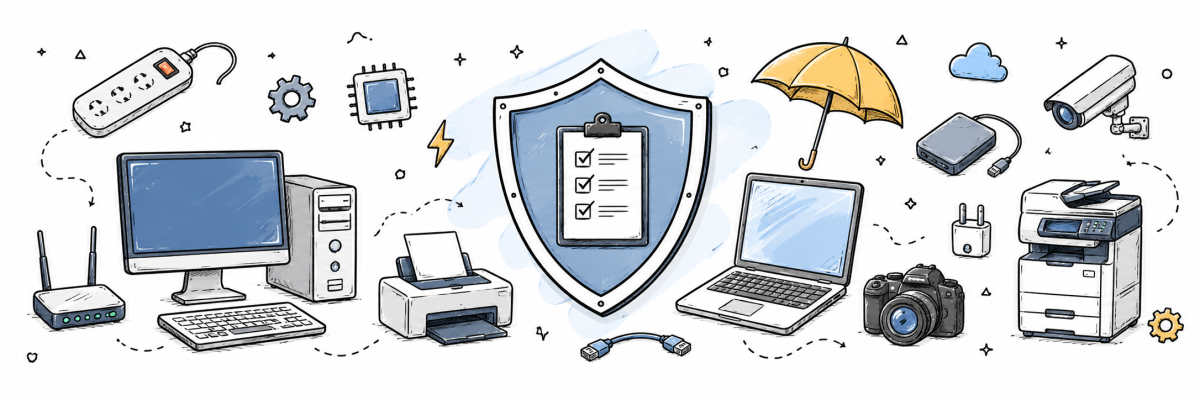
In 2026, Electronic Equipment Insurance (EEI) in India is a comprehensive “All-Risk” policy specifically designed to protect sophisticated, low-voltage electronic systems against sudden and unforeseen physical damage.
Standard EEI policies are typically divided into three distinct sections:
Covers the physical equipment (hardware) including CPUs, monitors, UPS, and built-in system software against fire, theft, and accidental breakdown.
Covers the cost of restoring data on external media (hard drives, tapes, discs) if they are physically damaged by a covered peril, provided a backup system exists.
Reimburses additional expenses, such as renting substitute equipment or hiring extra staff, to maintain operations following a claim in Section I.
The policy protects against a wide range of perils, including:
Human errors like dropping equipment, faulty manipulation, or lack of skill.
Damage due to short circuits, over-voltage, or mechanical failure.
Fire, lightning, flood, earthquake, and landslides.
Theft, burglary, riots, strikes, and malicious damage.
Claims are typically denied for:
Gradual deterioration or atmospheric conditions.
Faults known to the insured at the time of policy commencement.
Gross negligence or intentional destruction by the insured.
Parts with limited life like bulbs, ribbons, and fuses.
Surface-level damage like scratches or dents that do not affect functionality.
Important conditions to consider before purchasing an EEI Policy.
Sum Insured: Must reflect the New Replacement Value (current market price for a similar new model) including installation, duties, and freight.
Maintenance Agreement: Many insurers require a Preventative Maintenance Agreement to be in place during the policy term, particularly for equipment valued over ₹1 Lakh.
Portable Devices: Traditional EEI often excludes portable items like laptops or smartphones; these usually require a separate Portable Electronic Equipment Policy.